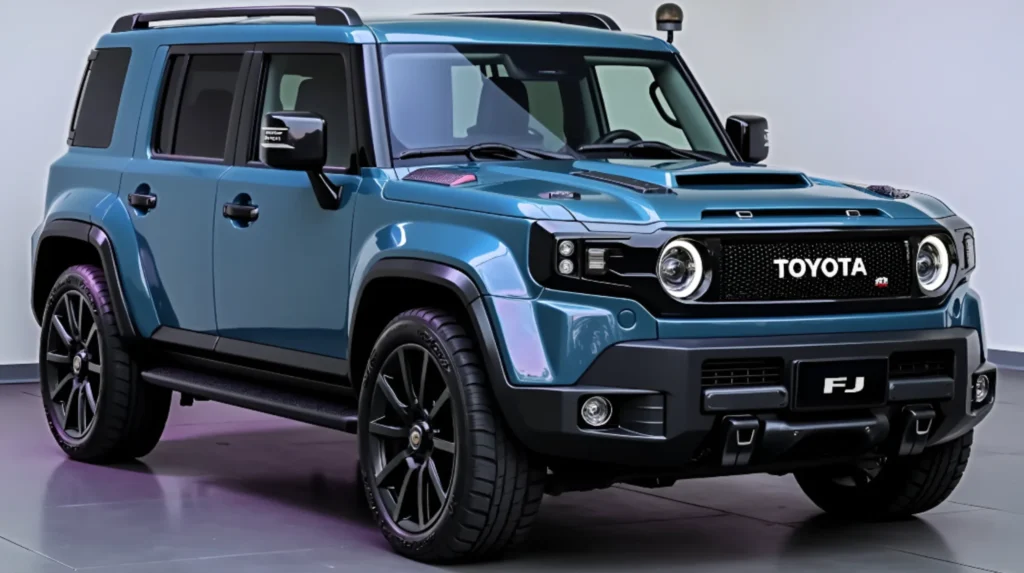
The battery revolution that’s reshaping electric mobility
Electric vehicles (EVs) are at the heart of the clean mobility revolution — and batteries are their beating hearts. The demand for longer driving range, faster charging, and better safety is pushing researchers and automakers to rethink what’s possible in battery technology.
From solid-state breakthroughs to ultra-fast charging systems, the next generation of batteries promises to make EV ownership as convenient as refueling a conventional car — with zero emissions and higher performance.
🔋 Higher Energy Density: More Power in Less Space
Energy density defines how much power a battery can store per unit of weight — and it’s the key to extending range without making cars heavier.
Today’s lithium-ion batteries are reaching their limits, so scientists are exploring new chemistries:
- Silicon-Anode Batteries: By replacing graphite with silicon, these batteries can store up to 40% more energy per cell.
- Lithium-Metal Cells: These lightweight cells can theoretically double the range of current EVs while cutting charging time.
- Nickel-Rich Cathodes: Improving energy density and durability while reducing reliance on costly cobalt.
Manufacturers are already testing prototypes exceeding 350–400 Wh/kg, compared to the 250 Wh/kg average in modern EVs — a leap that could push everyday range beyond 600 km.
Read Also This: OSCAL Tank 1 — The Rugged Battery Brick Trying to Redefine “Power Phone”
🔬 Solid-State Batteries: The Next Frontier
Solid-state batteries (SSBs) represent the biggest leap in EV battery safety and efficiency in decades.
Instead of using flammable liquid electrolytes, SSBs use solid materials such as ceramics or sulfides to transfer ions. This structure delivers multiple benefits:
- Higher energy density (up to 2x lithium-ion capacity)
- Faster charging capability
- Improved thermal stability and reduced fire risk
- Longer lifespan, with less degradation over cycles
Companies like Toyota, BMW, and QuantumScape are racing to commercialize solid-state cells. Toyota recently announced plans to launch its first solid-state-powered EV by 2027, boasting 10-minute charge times and 1,000 km of range.
However, challenges remain: mass production costs, material stability, and electrolyte compatibility still need refinement before large-scale rollout.
⚡ Ultra-Fast Charging: Refueling in Minutes
Charging speed is one of the biggest barriers to EV adoption. But new ultra-fast charging (UFC) systems are about to change that narrative.
Innovations in battery design, thermal control, and charging infrastructure are enabling dramatic improvements:
- 10–80% charge in under 10 minutes, using 800V+ charging architecture.
- New anode materials (like niobium and graphite-silicon blends) help absorb high current without overheating.
- Liquid-cooled cables and intelligent charging networks** manage heat and grid load safely.
With these advancements, a quick coffee stop could soon be enough to recharge most EVs for 400+ kilometers of driving.
🌍 Beyond Cars: Batteries Powering a Connected World
The impact of advanced batteries goes far beyond vehicles. The same technologies are driving innovation across industries:
- Aviation: Electric aircraft manufacturers are experimenting with solid-state packs for better energy density-to-weight ratios.
- Smart Cities: Urban energy grids rely on fast-charging batteries to balance renewable power supply and demand.
- Consumer Electronics: Smartphones, laptops, and IoT devices are adopting miniaturized solid-state cells for longer battery life.
These breakthroughs make batteries not just a power source — but a core enabler of a fully electrified and connected ecosystem.
⚠️ Challenges & Considerations
Even with rapid progress, some obstacles remain:
- Material shortages: Lithium, nickel, and rare elements face supply constraints.
- High manufacturing costs: Advanced materials and precise assembly techniques raise production expenses.
- Charging infrastructure: Ultra-fast chargers need powerful grid support and cooling systems.
- Battery recycling: Managing end-of-life battery waste sustainably is crucial for long-term success.
Addressing these challenges will be essential for the EV industry’s continued growth and sustainability.
🚀 The Road Ahead (2026–2030)
The rest of the decade will define how fast advanced batteries reach mainstream adoption. Here’s what to expect:
- 2026–27: Commercial rollout of semi-solid and high-silicon lithium batteries.
- 2028–29: First-generation solid-state EVs from major automakers hit the roads.
- 2030: Ultra-fast charging stations (400–600 kW) become commonplace, cutting wait times to under 8 minutes.
- 2030+: Cost per kWh falls below $80, making EVs cheaper than combustion cars to produce and own.
The pace of innovation suggests the next generation of EVs will deliver what drivers have been waiting for: long range, fast charging, and lasting reliability.
✅ Final Thoughts
The future of mobility runs on innovation — and batteries are leading that charge. From solid-state power units to 10-minute charging breakthroughs, the industry is rewriting the rules of energy storage.

Azeem Aosaf is a visionary entrepreneur, digital strategist, and educator with a mission to empower individuals through online earning and digital innovation. As the CEO of HelixNex LLC, he leads multiple ventures across e-commerce, education, and fintech—helping people turn their digital skills into sustainable income. Through his educational initiative RankTrak, Azeem has trained hundreds of students in SEO, YouTube Automation, Freelancing, and AI-powered marketing. His work bridges technology and opportunity—creating a platform where learning meets real-world success. When he’s not mentoring students or building digital products, Azeem shares insights on entrepreneurship, marketing trends, and financial freedom through his blogs and social platforms. His core belief: “Your Growth, Our Mission.”