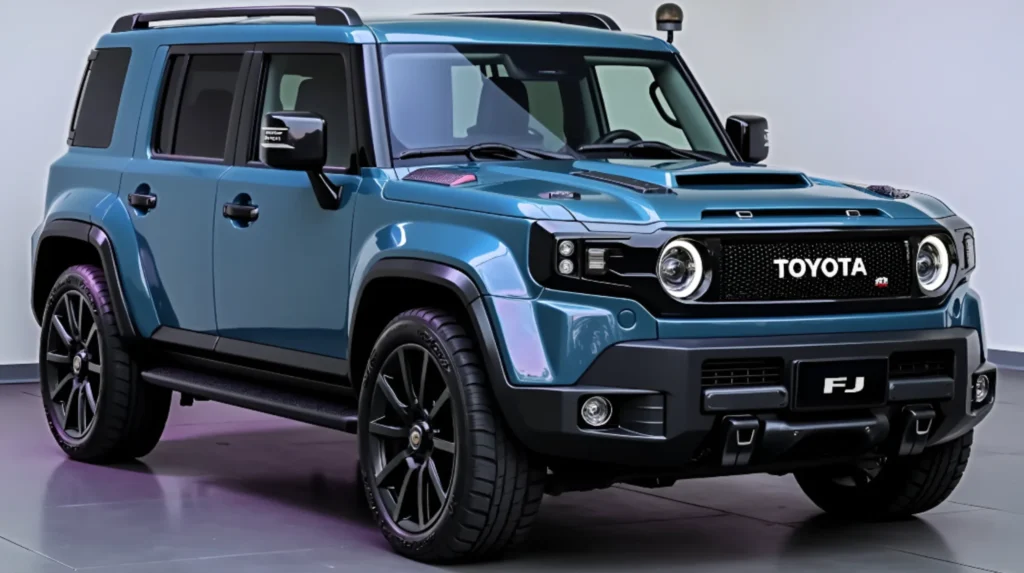
🚗 A Year of Disruption and Discovery
The automotive world in 2025 feels more like Silicon Valley on wheels than a traditional factory floor. Electric powertrains, intelligent software, and connected ecosystems are now shaping what mobility means. Every major carmaker is adjusting strategy — some thriving, others struggling — as technology and economics redefine the rules.
⚡ 1. EV Revolution 2.0 — Rapid Growth Meets Reality
Electric vehicles remain the poster child of change. Sales are climbing, but the surge that once looked unstoppable is beginning to plateau as infrastructure and affordability questions resurface.
Manufacturers are reacting with smarter hybrids, lower-cost EV variants, and new battery innovations aimed at improving range and charge times. Meanwhile, governments are re-evaluating incentives, signaling a transition from “early adopter” phase to true market maturity.
Insight: The winners in 2025 will be the brands that balance sustainability with practicality — creating EVs people can truly afford and trust.
Also read this Automotive Software Ecosystems: How Car Makers Are Becoming Tech Platforms
🤖 2. Automation Gets Real
Autonomous driving is no longer a far-off fantasy. While full self-driving remains limited to pilot programs, advanced driver-assist systems (ADAS) have gone mainstream. Features like hands-free highway driving, adaptive cruise coordination, and automated parking are rapidly becoming standard equipment.
Partnerships between automakers, AI start-ups, and chip designers are fueling these breakthroughs. Each collaboration brings the industry closer to cars that can think, learn, and respond as safely as humans — if not better.
Key takeaway: Automation isn’t replacing drivers overnight, but it’s quietly transforming how we commute, travel, and design cities.
💻 3. Software Takes the Wheel
If 2020s vehicles run on electricity, their real engine is software. The software-defined vehicle (SDV) movement is turning cars into living digital platforms.
Through over-the-air updates, automakers can now refresh performance, add features, or patch vulnerabilities — no dealership required. This also opens a new revenue frontier: on-demand upgrades, app stores, and subscription-based services.
Perspective: Just as smartphones became smarter through updates, vehicles will evolve continuously — blurring the line between hardware and cloud.
🌎 4. Supply Chains & Market Shifts
The pandemic and trade conflicts left scars on global manufacturing. In 2025, companies are still rebuilding resilience by localizing production, diversifying suppliers, and investing in AI-driven logistics.
At the same time, new consumer trends are shaking up demand. Budget-friendly and used-EV markets are booming, while premium models hold steady. Chinese manufacturers are entering Western markets at lightning speed, forcing legacy automakers to rethink pricing and design agility.
Outlook: Efficiency, adaptability, and smart sourcing are the new hallmarks of success — not just horsepower.
🚘 5. Premium & Niche Segments Shine
As mainstream competition intensifies, niche segments are thriving. Luxury EVs, adventure SUVs, and performance hybrids are commanding attention from buyers seeking distinction. Mobility subscriptions and flexible ownership plans are also redefining how people access vehicles.
In emerging markets, compact and affordable EVs are spearheading growth — showing that electrification can work even where infrastructure is limited.
✅ Final Gear: Innovation Over Imitation
The “Automotive Buzz” of 2025 isn’t just noise — it’s the sound of reinvention. The coming year will reward companies that think like tech firms, act like manufacturers, and evolve like startups.
Whether it’s mastering electrification, perfecting autonomy, or unlocking data-driven services, the next revolution won’t be about building cars faster — it’ll be about building them smarter.
Bottom line: The industry’s future belongs to those who fuse engineering excellence with digital intelligence.

Azeem Aosaf is a visionary entrepreneur, digital strategist, and educator with a mission to empower individuals through online earning and digital innovation. As the CEO of HelixNex LLC, he leads multiple ventures across e-commerce, education, and fintech—helping people turn their digital skills into sustainable income. Through his educational initiative RankTrak, Azeem has trained hundreds of students in SEO, YouTube Automation, Freelancing, and AI-powered marketing. His work bridges technology and opportunity—creating a platform where learning meets real-world success. When he’s not mentoring students or building digital products, Azeem shares insights on entrepreneurship, marketing trends, and financial freedom through his blogs and social platforms. His core belief: “Your Growth, Our Mission.”