Ottawa’s major policy reversal sends a message of cooperation
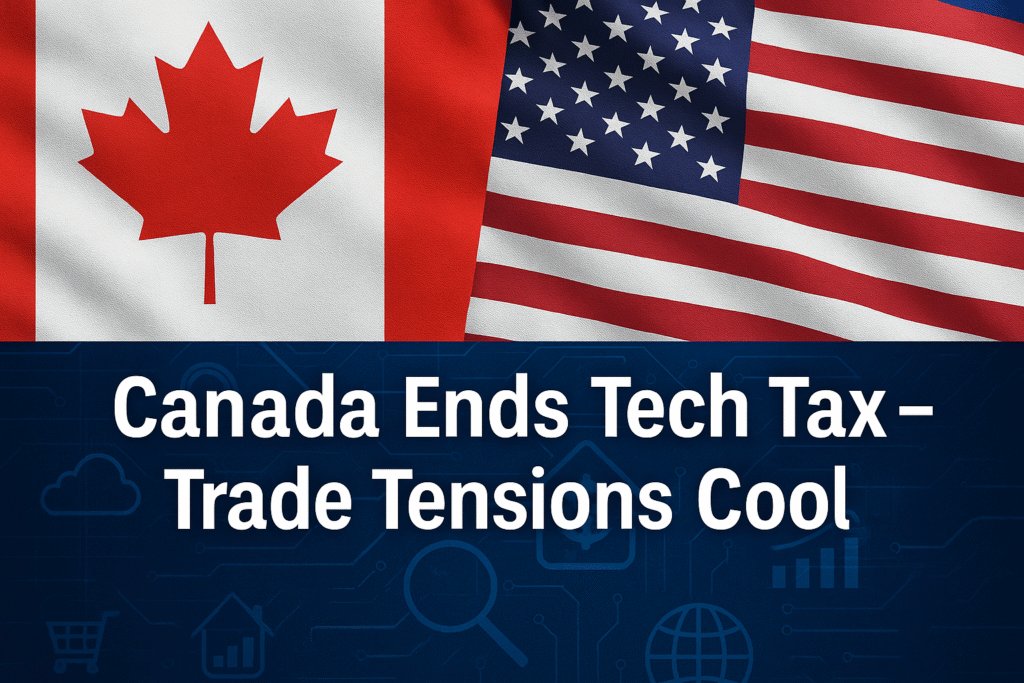
Canada has officially scrapped its controversial 3% digital services tax (DST) that targeted major U.S. technology firms. The decision marks a significant diplomatic pivot aimed at reducing trade friction with Washington and restoring confidence among investors.
The move came after months of escalating tension between Ottawa and the White House, with American officials warning of retaliatory tariffs and suspension of trade discussions if the tax remained.
💼 What the Digital Services Tax Was Meant to Do
Originally introduced in 2024, the proposed DST aimed to ensure that multinational tech companies paid a fair share of taxes on profits generated from Canadian users — particularly those offering online advertising, marketplaces, and digital content services.
The tax would have applied to corporations earning over €750 million globally and generating more than C$20 million in digital revenue from Canada.
While the measure was projected to bring in nearly C$6 billion over five years, critics warned that it risked backfiring — raising consumer prices and straining ties with the U.S., Canada’s largest trading partner.
Also read this article: Tesla Robotaxi Trials in Texas Expose Early-Stage Driving Flaws
⚠️ Why Canada Changed Course
1. Intense U.S. Political Pressure
The United States strongly opposed the levy, calling it discriminatory against American businesses like Google, Meta, and Amazon. Washington responded by freezing trade discussions and hinting at new tariffs on Canadian exports.
Facing mounting pressure, Canadian Prime Minister Mark Carney and Finance Minister François-Philippe Champagne opted to repeal the tax before its first payments were due.
2. Protecting Economic Stability
With the North American economy already facing challenges from global supply chain issues, inflation, and slower growth, Canada’s government decided that maintaining stable trade relations outweighed the potential short-term tax revenue.
3. Commitment to Global Solutions
Officials reaffirmed support for a global digital tax framework led by the Organisation for Economic Co-operation and Development (OECD), preferring an international approach over unilateral measures that risk sparking trade wars.
🌐 Reactions from Key Players
- U.S. Government: The White House welcomed the decision, calling it a “constructive step” toward restoring cooperation and advancing broader trade talks.
- Canadian Business Leaders: Domestic tech and export associations applauded the move, arguing that harmony with the U.S. is crucial for long-term economic growth.
- Public Opinion: Some critics, however, accused Ottawa of bowing to U.S. pressure, claiming the policy reversal weakens Canada’s ability to regulate multinational corporations effectively.
🏛️ What Happens Next
Canada will now begin the process of repealing the DST legislation and refunding any payments that were already made or assessed.
In exchange, both countries are returning to the negotiation table to finalize a new trade and digital economy framework by mid-2026. The agreement is expected to outline fairer taxation rules for cross-border online businesses while avoiding punitive tariffs.
📊 Economic and Diplomatic Implications
- For U.S. Tech Firms: The repeal eliminates billions in potential back taxes, allowing companies to maintain lower prices for consumers and continue expanding digital operations in Canada.
- For Canada’s Fiscal Policy: The government loses a valuable revenue stream but gains credibility for prioritizing trade stability over confrontation.
- For International Tax Reform: Canada’s decision adds pressure on global partners to finalize the OECD’s digital taxation deal, creating consistent rules across major economies.
✅ A Step Toward Stability
By abandoning the 3% digital levy, Canada has signaled that maintaining a healthy relationship with the United States is a greater priority than short-term fiscal gain.
This reversal may frustrate advocates for taxing Big Tech, but it ultimately demonstrates Ottawa’s pragmatic approach — aligning economic security with global cooperation.
“Canada’s message is clear,” said one trade analyst. “Partnership matters more than politics when your largest customer is right next door.”

Azeem Aosaf is a visionary entrepreneur, digital strategist, and educator with a mission to empower individuals through online earning and digital innovation. As the CEO of HelixNex LLC, he leads multiple ventures across e-commerce, education, and fintech—helping people turn their digital skills into sustainable income. Through his educational initiative RankTrak, Azeem has trained hundreds of students in SEO, YouTube Automation, Freelancing, and AI-powered marketing. His work bridges technology and opportunity—creating a platform where learning meets real-world success. When he’s not mentoring students or building digital products, Azeem shares insights on entrepreneurship, marketing trends, and financial freedom through his blogs and social platforms. His core belief: “Your Growth, Our Mission.”