The Car Industry Is Entering a New Era
For more than a century, the automotive industry was built around engines, gears, and steel. But today, it’s becoming a world powered by code, chips, and connectivity.
The industry is undergoing two massive transformations at once:
- Vehicles are evolving into software-defined machines, controlled and upgraded through digital systems rather than fixed hardware.
- Global supply chains — still recovering from pandemic-era disruptions — are facing fresh challenges due to new technologies, electric vehicle (EV) demand, and geopolitical pressures.
These changes are not just reshaping automakers — they’re changing how consumers buy, use, and even think about cars in the UK, US, and Canada.
🧠 What “Software-Defined Vehicle” Really Means
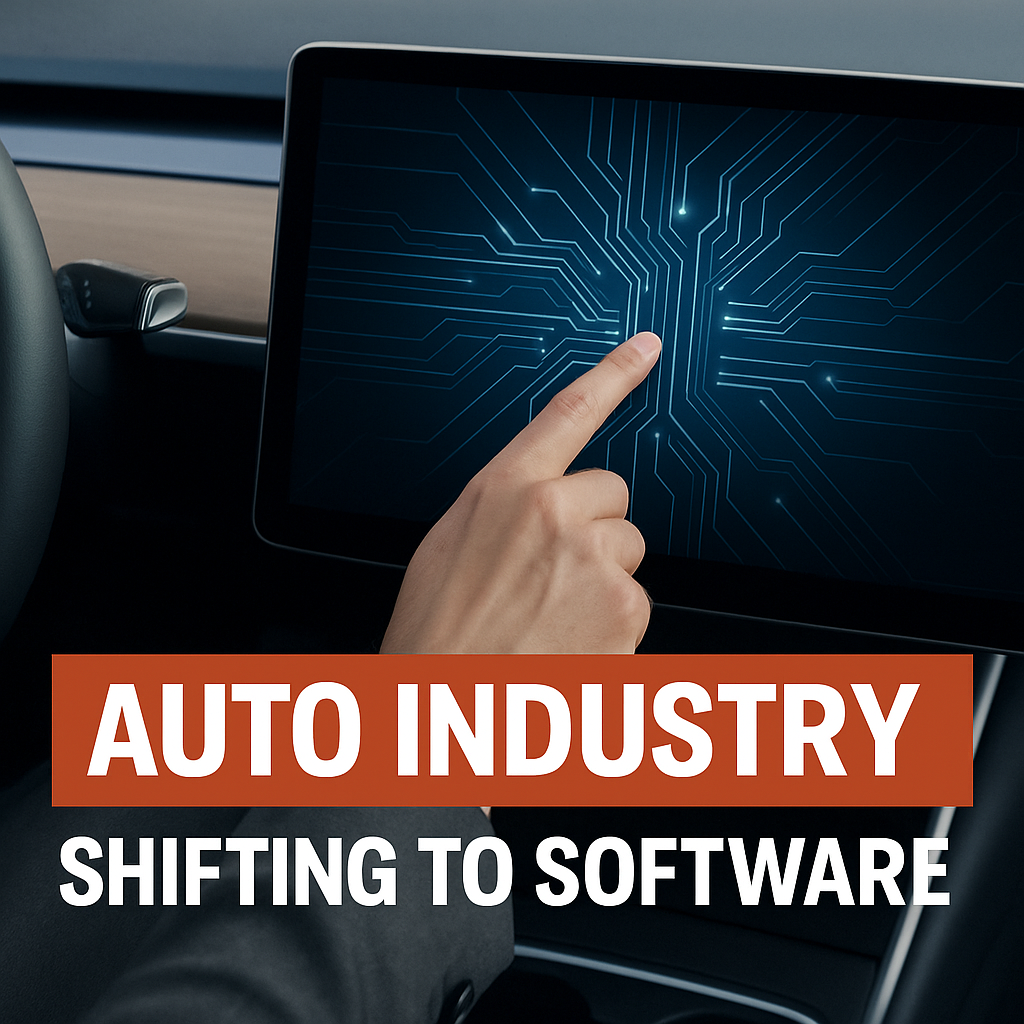
A software-defined vehicle (SDV) is one that runs primarily on programmable software instead of static mechanical systems.
In older cars, performance upgrades required physical changes — new engines, tuning, or component swaps. But with SDVs, updates happen via software, just like your smartphone.
Key Features of SDVs:
- Over-the-air updates: Cars can receive performance improvements, safety patches, and new features without visiting a service center.
- Customizable experiences: Manufacturers can offer premium driving modes, sound systems, or advanced driver assistance systems (ADAS) as post-purchase software add-ons.
- Centralized computing: Instead of dozens of small processors, new vehicles use unified chips that manage everything — from braking systems to navigation.
- Continuous evolution: Vehicles no longer remain static after purchase; they evolve over time through software updates and digital enhancements.
In short, a software-defined car isn’t just a vehicle — it’s a constantly learning digital platform on wheels.
🔧 The Supply Chain Challenge Behind the Transformation
The transition to software-driven mobility sounds futuristic — but it’s also colliding with harsh realities.
The global auto supply chain, already strained by years of semiconductor shortages, is now facing a new layer of complexity.
Key Pressures Include:
- Semiconductor Demand: Modern vehicles require far more chips than traditional cars. EVs and SDVs rely on advanced processors for sensors, safety systems, and computing power.
- Raw Material Constraints: The push toward electric and smart cars has increased demand for lithium, nickel, and rare earth elements — materials already in limited global supply.
- Rising Costs: Inflation, logistics hurdles, and geopolitical tensions are driving up production costs, forcing automakers to rethink sourcing and pricing strategies.
- Cybersecurity Risks: With cars now acting as connected devices, manufacturers must also safeguard data and prevent hacking — adding another dimension to supply chain management.
This combination of high-tech innovation and logistical strain is forcing automakers to rebuild their business models from the ground up.
Also Read This Ford Slashes 1,000 Jobs at German EV Factory as Electric Vehicle Demand Weakens
🚗 The End of Hardware Dominance
For decades, automakers competed by touting horsepower, torque, and design. But now, software has become the new differentiator.
Tesla popularized this concept — selling cars that improve over time through updates. Now, legacy brands like Ford, BMW, Toyota, and General Motors are racing to catch up.
The New Battlefront:
- Experience over performance: Consumers care less about engine size and more about seamless infotainment, intelligent assistance, and connectivity.
- Subscription-based features: Heated seats, autopilot modes, or advanced parking assistance can now be unlocked for a fee.
- Data-driven development: Automakers use driving data to refine safety systems and personalize future updates.
This transformation is creating a new kind of vehicle — a living, adaptive machine that gets better the longer you own it.
🌎 How This Shift Affects Drivers in the UK, US, and Canada
🇬🇧 In the United Kingdom
- Cars will increasingly rely on cloud connectivity and subscription-based upgrades, especially as 5G networks mature.
- The UK’s post-Brexit logistics challenges continue to affect part availability, which may make software updates a faster solution for long-term maintenance.
- Expect local dealers to focus more on digital diagnostics than traditional mechanical repairs.
🇺🇸 In the United States
- American automakers are leaning heavily into SDVs to compete globally. Expect more digital dashboards, AI-assisted driving, and cloud-managed maintenance systems.
- Vehicles may start offering on-demand features — like temporary performance boosts for road trips or one-click insurance integration.
- Tech companies such as Apple, Amazon, and Google are entering the automotive space, blurring the line between car brands and software giants.
🇨🇦 In Canada
- The harsh winter climate will push automakers to offer AI-powered predictive maintenance to prevent cold-weather issues.
- SDVs will enable remote support and diagnostics for rural or remote areas where service centers are limited.
- Canada’s strong commitment to green energy and EV incentives aligns perfectly with the shift toward intelligent, sustainable mobility.
⚙️ How Automakers Are Adapting
To navigate this new environment, car manufacturers are reinventing themselves as tech companies with wheels.
1. Building In-House Software Divisions
Many automakers are hiring software engineers and data scientists instead of traditional mechanical designers. Brands like Mercedes and Hyundai are building proprietary operating systems for their vehicles.
2. Partnering with Tech Giants
Companies are forming alliances with cloud providers (like AWS, Google Cloud, and Microsoft Azure) to handle data storage, AI integration, and cybersecurity.
3. Modular Vehicle Design
Instead of producing hundreds of different vehicle variants, automakers are developing modular platforms that can be adapted and reprogrammed for different markets — saving costs and improving flexibility.
4. Over-the-Air Business Models
Cars are increasingly designed with upgradable software packages, letting automakers generate ongoing revenue through post-purchase feature unlocks — just like app stores.
🏁 The Big Picture: Cars Are Becoming “Digital Products”
This transformation is redefining what it means to own a vehicle.
In the past, you bought a car and it stayed the same until you sold it. In the near future, your car could evolve, improve, and even gain new capabilities while you sleep.
For Consumers:
- Expect longer vehicle lifespans thanks to software updates.
- Prepare for subscription fatigue, as automakers experiment with paid add-ons.
- Demand for tech literacy will rise — understanding software updates will be as important as knowing how to check oil levels.
For the Industry:
- Automakers must balance innovation with affordability.
- Suppliers need to shift from delivering static components to supporting software ecosystems.
- Regulators must address data privacy, cybersecurity, and digital ownership concerns as vehicles become connected devices.
🔮 The Road Ahead
By 2030, analysts predict that nearly every new car will be software-defined, offering real-time updates, adaptive features, and self-learning systems.
But this evolution comes with challenges:
- Data management: Millions of connected vehicles will generate massive amounts of data.
- Security: Protecting those systems from hacking will be as critical as ensuring crash safety.
- Sustainability: With more chips, sensors, and energy-intensive servers, the industry must balance innovation with environmental responsibility.
In short, the car of the future won’t just move you — it’ll think, adapt, and connect.
🧩 Key Takeaways
| Trend | Impact |
|---|---|
| Software-defined vehicles | Cars now rely on code for performance, safety, and personalization. |
| Supply chain strain | Chip shortages and global logistics are still slowing production. |
| Connected services | Cloud integration enables constant updates and digital add-ons. |
| Regional differences | The US leads in software integration; the UK and Canada are catching up. |
| Consumer adaptation | Drivers must learn to manage software features and subscriptions. |
❓ Frequently Asked Questions (FAQ)
Q1: What’s driving the shift to software-defined cars?
The rise of electric vehicles, demand for smarter features, and the success of tech-integrated models like Tesla have pushed automakers to prioritize software over mechanical parts.
Q2: Will traditional mechanics still be relevant?
Yes — but they’ll need new skills. Vehicle repairs will increasingly involve coding, firmware updates, and diagnostics rather than just engine maintenance.
Q3: Are subscription-based features here to stay?
Most likely. Automakers view digital features as ongoing revenue streams, similar to app subscriptions on your smartphone.
Q4: How will this affect car prices?
Upfront prices may rise, but vehicles will retain value longer and offer more flexibility through post-purchase upgrades.
Q5: Will this make cars more secure or riskier?
Both. Connected vehicles offer better safety monitoring but also introduce cyber risks. Regular updates and manufacturer security policies will be essential.

Azeem Aosaf is a visionary entrepreneur, digital strategist, and educator with a mission to empower individuals through online earning and digital innovation. As the CEO of HelixNex LLC, he leads multiple ventures across e-commerce, education, and fintech—helping people turn their digital skills into sustainable income. Through his educational initiative RankTrak, Azeem has trained hundreds of students in SEO, YouTube Automation, Freelancing, and AI-powered marketing. His work bridges technology and opportunity—creating a platform where learning meets real-world success. When he’s not mentoring students or building digital products, Azeem shares insights on entrepreneurship, marketing trends, and financial freedom through his blogs and social platforms. His core belief: “Your Growth, Our Mission.”