From Fast Tech to Fixable Tech
The age of disposable gadgets is fading. For years, consumers were pushed toward yearly upgrades and non-repairable designs. But in 2025, the conversation around sustainability in technology has shifted — and so has policy.
Across the world, eco-design standards and repairability labels are becoming the new face of responsible hardware innovation. This change aims to give consumers more control, extend product lifespans, and reduce the staggering piles of e-waste generated every year.
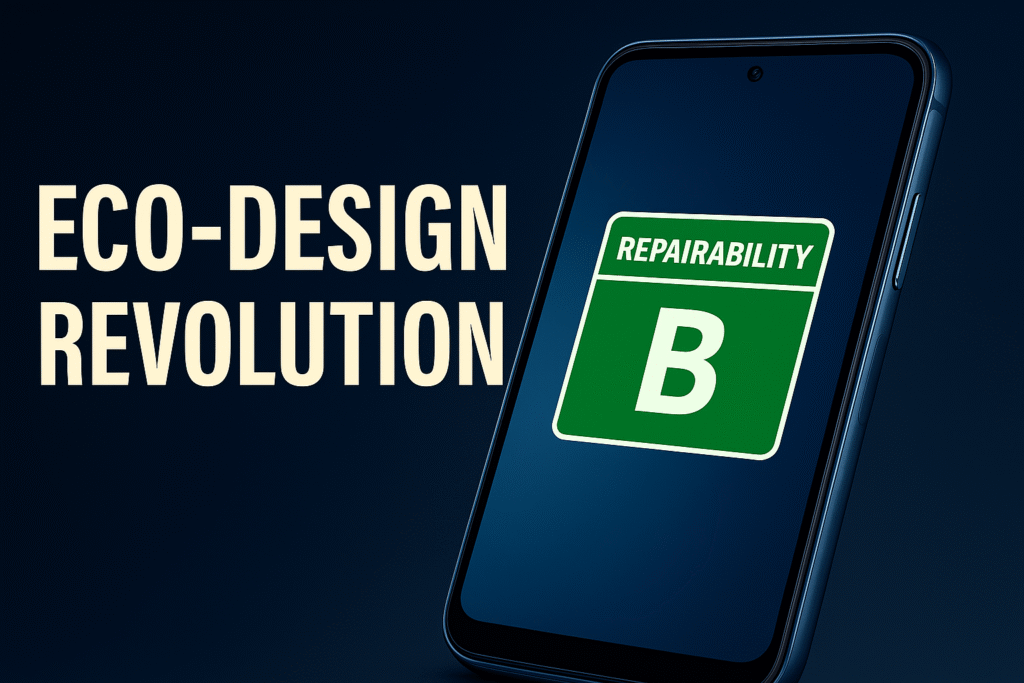
🔍 What Are Repairability Labels?
Repairability labels are simple, visible indicators that tell buyers how easy (or difficult) it is to repair a product. Think of them as “nutrition labels” for tech — offering transparency before purchase.
These labels often score products based on:
- Ease of disassembly
- Availability of spare parts
- Access to repair manuals
- Affordability of components
- Software support duration
The result? Consumers can make smarter choices — and manufacturers face pressure to design hardware that’s built to last, not just to sell.
Read Also This: 🤖 Ambient AI: The Rise of Invisible Assistants in Everyday Life
🌿 The Policy Push Behind Eco-Design
Europe has been leading the global charge. The Ecodesign for Sustainable Products Regulation (ESPR) is setting new standards that require manufacturers to disclose repairability and durability details.
By mid-2025, products such as smartphones and tablets sold in the EU will need to carry repairability grades, likely ranging from A (easiest to repair) to E (hardest). This is expected to ripple across other tech categories soon after.
Other regions are watching closely — with the U.S., Canada, and the U.K. discussing similar frameworks under “right-to-repair” movements. The direction is clear: transparency and longevity are becoming core components of design.
🧩 How the Tech Industry Is Adapting
Manufacturers are responding in two main ways:
- Modular Design Becomes Mainstream
Brands like Fairphone, Framework, and Dell are setting an example with phones and laptops made from replaceable parts. Users can swap a camera, battery, or keyboard without voiding the warranty. - Software Commitments Are Extending
Companies are realizing that long-term security and OS updates are as important as physical repairability. Some now promise up to seven years of software support — a huge leap from previous norms. - Eco-Design as a Brand Identity
Tech firms are marketing sustainability as a feature, with product packaging highlighting recyclability, carbon impact, and repair-scores front and center.
⚙️ Why Repairability Labels Matter
1. Empowered Consumers
People can now compare devices not just by specs but by sustainability. A visible repair-score puts power back into buyers’ hands.
2. Reduced E-Waste
Longer-lasting gadgets mean fewer discarded electronics. With billions of devices produced annually, even small improvements can have massive environmental benefits.
3. Cost Savings Over Time
When products are easier to fix, users can replace a part instead of buying a new one — lowering the total cost of ownership.
⚠️ Barriers That Still Exist
The movement toward repairability isn’t without hurdles.
- Design trade-offs: Thinner, waterproof devices often mean harder-to-replace parts.
- Access issues: Not all manufacturers make tools or parts available to the public.
- Inconsistent standards: Different countries and brands use different scoring systems, making global comparison tricky.
- Corporate resistance: Some major players still view third-party repairs as a threat to profits.
Still, growing regulation and consumer awareness are forcing even the biggest tech companies to reconsider their design philosophy.
🚀 What’s Coming Next (2026–2030)
The next few years are likely to redefine how hardware is marketed:
- Digital product passports that track each device’s repair history and materials.
- Global repairability databases integrated into e-commerce sites.
- Stronger right-to-repair laws requiring open access to diagnostic tools.
- Industry-wide sustainability scores covering recyclability, materials, and lifespan.
By 2030, buying a gadget without a repairability label could feel as outdated as buying one without an energy-efficiency rating today.
✅ Final Thoughts
Repairability labels represent more than a sustainability trend — they signal a cultural change in how we think about ownership and technology.
Eco-design is pushing manufacturers to prioritize durability, transparency, and user empowerment, while giving consumers the ability to choose greener, longer-lasting products.
As repair-friendly tech becomes the standard, the next generation of devices will be judged not just by how powerful they are — but by how long they can stay alive.

Azeem Aosaf is a visionary entrepreneur, digital strategist, and educator with a mission to empower individuals through online earning and digital innovation. As the CEO of HelixNex LLC, he leads multiple ventures across e-commerce, education, and fintech—helping people turn their digital skills into sustainable income. Through his educational initiative RankTrak, Azeem has trained hundreds of students in SEO, YouTube Automation, Freelancing, and AI-powered marketing. His work bridges technology and opportunity—creating a platform where learning meets real-world success. When he’s not mentoring students or building digital products, Azeem shares insights on entrepreneurship, marketing trends, and financial freedom through his blogs and social platforms. His core belief: “Your Growth, Our Mission.”