The automotive industry is undergoing a massive transformation — one where software, data, and connectivity are becoming as important as engines and wheels. Welcome to the age of Software-Defined Vehicles (SDVs) — cars that evolve with code updates, cloud connections, and over-the-air upgrades.
Alongside this, the after-market ecosystem is also being reinvented. Instead of focusing solely on spare parts and maintenance, it’s now about digital services, predictive diagnostics, and feature unlocks.
This article explores how these two trends are reshaping the car industry and redefining what it means to “own” a vehicle in 2025 and beyond.
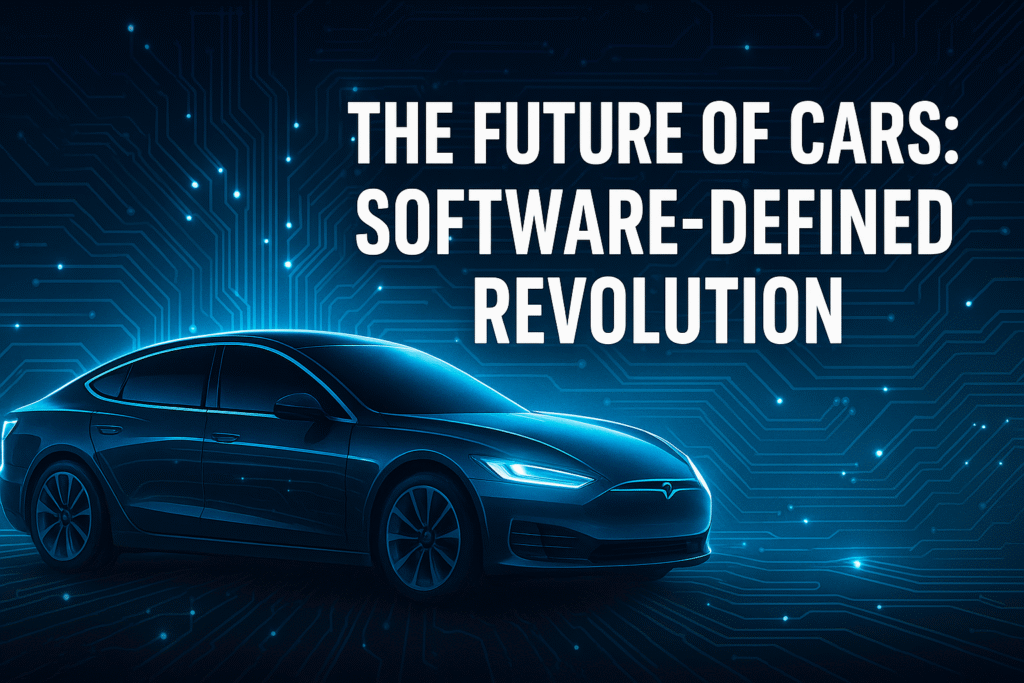
🚗 What Are Software-Defined Vehicles (SDVs)?
A Software-Defined Vehicle is a car where core functions and features are controlled by software rather than fixed hardware. Unlike traditional vehicles — where most systems are locked in at production — SDVs can evolve and improve long after leaving the factory.
Read Also This: ⚖️ UK Court Finds Apple Guilty of Abusing App Store Dominance
💡 Key Characteristics of SDVs
- Over-the-Air Updates: Automakers can remotely enhance performance, fix bugs, or add new features — just like smartphone software updates.
- Centralized Computing: Multiple electronic control units (ECUs) are replaced by powerful centralized computers, making cars more efficient and easier to upgrade.
- Cloud Connectivity: Real-time data exchange between cars, manufacturers, and cloud systems for better safety, navigation, and diagnostics.
- Personalization: Drivers can tailor the driving experience — from seat settings to AI-powered assistance — all powered by software.
- Subscription Features: Some advanced features (e.g., heated seats, autopilot, infotainment apps) may be offered as optional or monthly add-ons.
In short, SDVs are vehicles that improve with time, rather than depreciating with every mile.
💰 Why This Shift Matters for Automakers
The move to software-driven vehicles isn’t just about innovation — it’s about survival in a digital-first market.
📊 Industry Transformation at a Glance
- The global automotive software market is projected to surpass $450 billion by 2030.
- By 2027, more than 60% of new vehicles will feature centralized, software-driven architectures.
- Major automakers are now hiring software engineers at the same rate they once hired mechanical designers.
This shift gives carmakers three major advantages:
- Faster Innovation: Instead of redesigning vehicles every few years, updates can be delivered instantly via software.
- Continuous Revenue: Automakers can earn recurring income through digital services and upgrades.
- Data-Driven Design: Real-world driving data helps improve future models and predictive maintenance systems.
In essence, the car is becoming a platform — and software is the new engine.
⚙️ The After-Market Revolution: Beyond Spare Parts
Traditionally, “after-market” referred to replacement parts, maintenance, and accessories. But in a software-defined world, it’s expanding into something far more dynamic: digital after-market services.
🧩 Examples of Modern After-Market Innovation
- Feature Unlocks: Pay to enable premium driving modes or safety features after purchase.
- Predictive Maintenance: AI monitors vehicle health in real-time and alerts owners before breakdowns occur.
- Connected Apps: Mobile integration for remote control, navigation, charging, and security.
- Data-Driven Services: Usage data helps insurers, fleet managers, and manufacturers optimize costs and performance.
- Smart Diagnostics: Mechanics access live data to identify issues instantly, reducing service time and costs.
The after-market is now becoming a digital revenue engine that extends a vehicle’s value long after the initial sale.
🧠 How Tech Is Powering This Shift
Three core technologies are driving the rise of SDVs and next-gen after-market services:
1. Artificial Intelligence (AI)
AI powers predictive analytics, adaptive driving systems, and personalization — learning from driver habits and traffic conditions.
2. Cloud Computing
Every connected vehicle is a rolling data center. The cloud stores vast amounts of data for software updates, diagnostics, and entertainment features.
3. Edge Computing & IoT
Real-time processing allows vehicles to make split-second decisions for autonomous driving, safety systems, and vehicle-to-infrastructure (V2X) communication.
These technologies blend physical mobility with digital intelligence — redefining what “car performance” means.
🏁 Benefits and Challenges
✅ Benefits for Drivers and Automakers
- Smarter Vehicles: Cars that learn, adapt, and get better with use.
- Longer Lifespan: Software updates extend the useful life of vehicles.
- New Revenue Models: Automakers can monetize software and services instead of just hardware sales.
- Enhanced Safety: Continuous monitoring and instant updates improve driver safety.
⚠️ Challenges Ahead
- Cybersecurity Risks: Connected systems can be vulnerable to hacking.
- Data Privacy Concerns: Who owns and controls driving data remains a legal gray area.
- High Development Costs: Building and maintaining SDV architectures requires massive investment.
- Consumer Pushback: Subscription-based features can frustrate buyers who expect full functionality upfront.
The winners in this race will be those who balance innovation with trust, transparency, and user value.
🌍 Global and Regional Impact
🇬🇧 United Kingdom & Europe
Automakers in the UK and EU are rapidly adapting to SDV regulations emphasizing safety, data protection, and environmental efficiency. Europe’s strong R&D ecosystem gives it an edge in automotive software development.
🇺🇸 United States
The U.S. leads in software innovation and AI integration. Companies like Tesla, Rivian, and GM are at the forefront of building fully digital car ecosystems.
🇨🇦 Canada
Canada is emerging as a testing ground for autonomous and connected vehicles thanks to its smart infrastructure and strong cybersecurity capabilities.
Across all regions, the line between tech company and automaker is blurring faster than ever.
🔮 What the Future Holds
The next decade will define whether automakers can successfully transform into mobility technology companies.
Expect to see:
- Fully software-defined car models by 2030.
- Subscription-based “car-as-a-service” ownership models.
- AI copilots and personalized driving ecosystems.
- Integration between automotive, cloud, and smart home systems.
By 2035, the automobile will be as customizable as your smartphone — where updates, features, and driving experiences can evolve daily.
💬 Final Thoughts
The shift from mechanical to digital is rewriting the DNA of the automobile industry. Software-Defined Vehicles are no longer a futuristic concept — they’re the foundation of the next mobility era.
For automakers, it’s a chance to build lasting relationships with customers through continuous innovation. For consumers, it means safer, smarter, and more personalized driving experiences.
The vehicles of tomorrow won’t just drive us — they’ll connect, learn, and evolve with us.
❓ Frequently Asked Questions (FAQ)
Q1. What makes a car “software-defined”?
A software-defined car is one whose main functions are controlled and updated by software, allowing for new features and performance improvements over time.
Q2. Will software-defined vehicles replace traditional cars?
Yes, gradually. Most major automakers are transitioning to software-first platforms that allow for continuous upgrades and connected services.
Q3. What’s changing in the after-market industry?
After-market services are moving from mechanical repairs to digital updates, diagnostics, and data-driven maintenance.
Q4. Are SDVs more expensive?
Initially yes, but long-term savings come from fewer mechanical issues, improved efficiency, and over-the-air feature upgrades.
Q5. What’s the biggest risk of SDVs?
Cybersecurity and data privacy are the main concerns, as connected vehicles require strong protection against digital threats.

Azeem Aosaf is a visionary entrepreneur, digital strategist, and educator with a mission to empower individuals through online earning and digital innovation. As the CEO of HelixNex LLC, he leads multiple ventures across e-commerce, education, and fintech—helping people turn their digital skills into sustainable income. Through his educational initiative RankTrak, Azeem has trained hundreds of students in SEO, YouTube Automation, Freelancing, and AI-powered marketing. His work bridges technology and opportunity—creating a platform where learning meets real-world success. When he’s not mentoring students or building digital products, Azeem shares insights on entrepreneurship, marketing trends, and financial freedom through his blogs and social platforms. His core belief: “Your Growth, Our Mission.”