Imagine holding a smartphone that feels like a handcrafted watch in your hand — substantial, precise, and quietly proud. That’s the promise behind the idea of a Nokia luxury smartphone. Not every phone needs to be a fashion statement, but some buyers want more than specs: they want story, craft, and a sense of rarity. Nokia has one of the most recognizable names in mobile history; pair that brand heritage with premium materials, thoughtful software, and concierge-level service, and you’ve got the ingredients for a luxury offering that could turn heads.
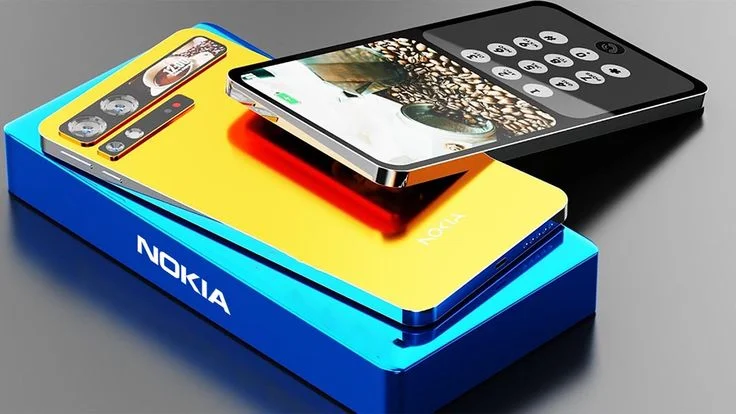
If you’re wondering whether a Nokia luxury phone is for you, think about what you value most: craftsmanship? camera excellence? longevity? Or are you chasing the subtle social signal of a refined device? This article walks you through what “luxury” means for phones, how Nokia could interpret it, what features to look for, and whether such a device is worth the premium.
A Short History of Nokia’s Brand and Design Heritage
From indestructible classics to modern reinvention
Nokia is not a newcomer to reputation-building. It earned its stripes with sturdy, user-friendly devices that became cultural icons. Over the decades the brand evolved from bricks and candy-bar phones to era-defining models celebrated for durability and design. A luxury Nokia smartphone would be rooted in that heritage — the utilitarian honesty of classic Nokia — but elevated with premium materials and modern tech. Think of it as nostalgia upgraded: the soul of a classic, the build of a couture piece.
What Makes a Smartphone “Luxury”?
Materials and craftsmanship
Luxury starts with materials. A phone that uses aerospace-grade titanium, machined ceramic backs, or hand-stitched leather instantly reads as premium. The joinery — the gap between screen and frame, the weight, how buttons depress — all contribute to that high-end tactile experience. Luxury is less about flash and more about the details that reward touch and patience.
Design exclusivity and personalization
Limited editions, custom engravings, or unique colorways create scarcity and desirability. A Nokia luxury phone could offer small-batch runs, factory customization, or partnerships with designers to produce unique finishes. Exclusivity helps a product move from gadget to collectible.
Services, support and lifestyle integration
Luxury is also service. A high-end phone should come with white-glove delivery, extended warranties, swift repairs, and perhaps a live concierge for setup and troubleshooting. These services transform the ownership experience from transactional to pampered.
Nokia’s Design Language: Clean, Honest, Iconic
Minimalism with a purpose
If Nokia designed a luxury phone, expect restraint rather than gaudiness. Nokia’s most iconic products were never loud — they were reliable and straightforward. The luxury version would likely amplify that by focusing on proportional aesthetics, subtle curves, and a recognizable silhouette: something you’d spot at a glance and say, “That’s a carefully thought-out device.”
Visual cues from Nokia’s past
Small throwbacks — a lineage motif on the back, an understated logo, or a color inspired by classic Nokia plastics — can add emotional value without undermining modern design. Think of it like a chef revisiting their signature dish with premium ingredients.
Premium Materials: What to Expect
Metals: titanium and stainless steel
Many luxury devices favor titanium for its strength-to-weight ratio and stainless steel for its luxurious heft and polished finish. Titanium gives a premium, durable feel that resists daily scuffs, making it ideal for a phone meant to survive both style tests and daily use.
Ceramics, glass and exotic finishes
Ceramic backs offer a smooth, scratch-resistant surface and a cool-to-the-touch elegance. Specialty glass with satin finishes or anti-fingerprint coatings elevates visual appeal. Nokia could pair glass and metal for contrast: cold metal frames with warm, tactile back coverings.
Leather, Alcantara and bespoke coverings
True luxury often includes tactile options: Italian leather, Alcantara, or handcrafted wooden inserts. These finishes carry connotations of craft and personalization that metal and glass alone cannot match.
Performance and Hardware Expectations
Processor and memory
A luxury phone must be competent under the hood. The expectation: top-tier chipset, ample RAM, and storage variants that cover casual users to power users. You don’t buy luxury and accept lag — performance must match the price.
Battery life and charging tech
Luxury doesn’t mean you compromise on endurance. Expect large batteries, efficient power management, fast wired charging and premium wireless charging solutions. Bonus points for energy-smart features that stretch daily use without constant charging.
Display: resolution, refresh and brightness
A luxury handset should have a gorgeous panel: high resolution, high refresh rate, peak brightness for outdoor legibility, and color accuracy for creative work. Edge-to-edge without compromise, but with tactile cues that make it easy to hold.
Camera System: The Luxury Camera Experience
Optics, sensors and stabilization
The camera is a marquee feature. A Nokia luxury phone would combine high-quality sensors with optical stabilization, telephoto lenses and perhaps periscope elements for long-range shots. But luxury cameras aren’t just about big megapixel numbers — they’re about optics quality, consistent performance in low light, and reliable autofocus.
Computational photography and pro tools
Software makes photos sing. Advanced computational photography, RAW capture, pro modes with manual controls, and refined color science are all expected. In a luxury device, the camera should deliver images that stand up in print and on gallery walls — not just social feeds.
Software, Updates and Security
Clean Android experience vs heavy OEM skins
Many luxury buyers prefer software that’s fast, uncluttered, and respectful of privacy. Nokia’s software approach would likely lean toward a clean Android experience with tasteful custom features — nothing that undermines speed or update timeliness.
Long-term updates and privacy features
Where luxury shines is in promised longevity: multi-year OS and security updates, timely patches, and a transparent privacy policy. Added hardware-based security like secure enclaves, private biometric unlock, and encrypted storage are table stakes for premium buyers.
Exclusive Services and Aftercare
Concierge, warranty and in-person support
Imagine buying a phone and getting a dedicated setup specialist, free screen replacements, or priority repair lanes — that’s the level of service that converts a product into a lifestyle choice. Extended warranties, accidental-damage protection, and concierge setup elevate ownership.
Customization, engraving, and limited editions
Special editions, custom engraving, bespoke colorways, or artist collaborations make the product personal. Limited runs increase desirability and can justify a premium if executed with authenticity.
Price Positioning and Market Competitors
How Nokia could slot into the luxury map
A Nokia luxury smartphone would likely sit above the mainstream Nokia lineup and compete with high-end flagships and established luxury brands. Price-wise, expect top-tier range — because luxury is about perceived and real added value: better materials, better service, and better craftsmanship.
Key competitors and what differentiates Nokia
Competitors include premium devices from major OEMs (Apple, Samsung) and niche luxury makers. Nokia’s differentiator could be its heritage — emphasizing design honesty and durability — plus a unique aesthetic and possibly more approachable pricing than ultra-luxury bespoke brands.
Who Should Buy a Nokia Luxury Smartphone?
If you appreciate craftsmanship, value brand heritage, and want a device that says something subtle about your taste, a Nokia luxury phone might be for you. It’s aimed at buyers who want both capability and character: professionals, collectors, design-conscious users, and those who buy items for both function and lifestyle impact.
Not right for bargain hunters, or people who prioritize cutting-edge specs at the lowest possible price. If you change phones every year, the premium for the build and service might not justify itself.
How to Choose the Right Nokia Luxury Model
Feature vs status checklist
Ask yourself:
- Do I care most about build/materials or camera performance?
- Is brand story important to me?
- How much do I value after-sales service and long-term updates?
- Will I keep this phone for several years?
Prioritize the features you’ll use daily rather than headline specs. A tactile metal frame matters only if you feel it every day.
Resale and long-term value
Luxury devices often retain value better if they’re limited editions or well-serviced. Confirm trade-in support, demand for special editions, and whether Nokia (or its licensing partner) offers official buyback or trade programs.
Caring for Your Luxury Phone: Practical Tips
- Use the right case: a thin protective case preserves design while safeguarding the build.
- Clean with a microfiber cloth and avoid harsh chemicals on leather/ceramic finishes.
- Keep software updated to maintain security and performance.
- Use authorized repair centers to preserve warranty and resale value.
- If it has leather parts, use designated leather care products once in a while to keep it supple.
Think of the phone like a small piece of furniture — it needs maintenance, not abuse.
Sustainability and Ethical Luxury
Luxury today can’t ignore sustainability. Ethical sourcing of materials, repairable design, modular parts, and recycling programs matter. A truly principled Nokia luxury phone would prioritize repairability and long-term software support so that buyers keep the device longer, reducing e-waste. Limited editions can be produced responsibly by using recycled metals or sustainably sourced coverings.
Final Verdict: Is a Nokia Luxury Smartphone Worth It?
A Nokia luxury smartphone is worth it if you value design authenticity, tactile quality, and elevated service. It’s not purely about specs — it’s about an ownership experience: the unboxing, the feel, the reliable camera, and the security of excellent aftercare. If you want a device that’s as much an accessory as it is a tool, and you appreciate Nokia’s design heritage, the premium can be justified.
However, if your top priority is the absolute bleeding-edge hardware-per-dollar ratio, mainstream flagships will give you more raw specs for less money. Luxury is a different currency: craftsmanship and exclusivity.
Conclusion
A Nokia luxury smartphone blends the brand’s storied past with modern expectations: premium materials, refined design, excellent cameras, and high-touch service. It’s for people who see their phone as a daily companion and a statement. Whether Nokia (or its brand license holders) launches such a product, the idea taps into a clear appetite: buyers who want technical excellence wrapped in honest craftsmanship. If Nokia leans into that truth — honoring durability, clarity of design, and long-term support — a luxury offering could be both credible and compelling.
FAQs
Q1: What features should I look for first when comparing Nokia luxury phones?
A1: Start with materials (titanium, ceramic, leather), camera performance in real-world conditions, software update guarantees, and the extent of concierge/aftercare services. These define both daily experience and long-term value.
Q2: Will a Nokia luxury phone be better than other flagship phones for photography?
A2: Luxury doesn’t automatically mean better photography. Look for quality optics, stabilization, and advanced computational photography. If Nokia pairs top-tier sensors with great image processing, it can compete strongly — but performance depends on the hardware-software combo, not the luxury label.
Q3: How much should I expect to pay for a luxury Nokia smartphone?
A3: Expect premium pricing similar to other high-end phones — prices often reflect materials, limited editions, and included services. Exact numbers vary, but luxury devices usually sit at the top end of the market.
Q4: Are luxury phones more repairable or less repairable?
A4: It depends on design philosophy. Some luxury manufacturers make devices harder to open (for water resistance or seamless design), while others prioritize repair centers and official parts. Check warranty and authorized repair support before purchasing.
Q5: Is buying a luxury phone a sustainable choice?
A5: It can be — if the manufacturer emphasizes long-term software support, repairability, and sustainable materials. Luxury items that are kept longer and serviced responsibly can reduce churn and e-waste, making them a more sustainable option than disposable mid-range phones.

Azeem Aosaf is a visionary entrepreneur, digital strategist, and educator with a mission to empower individuals through online earning and digital innovation. As the CEO of HelixNex LLC, he leads multiple ventures across e-commerce, education, and fintech—helping people turn their digital skills into sustainable income. Through his educational initiative RankTrak, Azeem has trained hundreds of students in SEO, YouTube Automation, Freelancing, and AI-powered marketing. His work bridges technology and opportunity—creating a platform where learning meets real-world success. When he’s not mentoring students or building digital products, Azeem shares insights on entrepreneurship, marketing trends, and financial freedom through his blogs and social platforms. His core belief: “Your Growth, Our Mission.”