The Era of Adaptive Screens Has Arrived
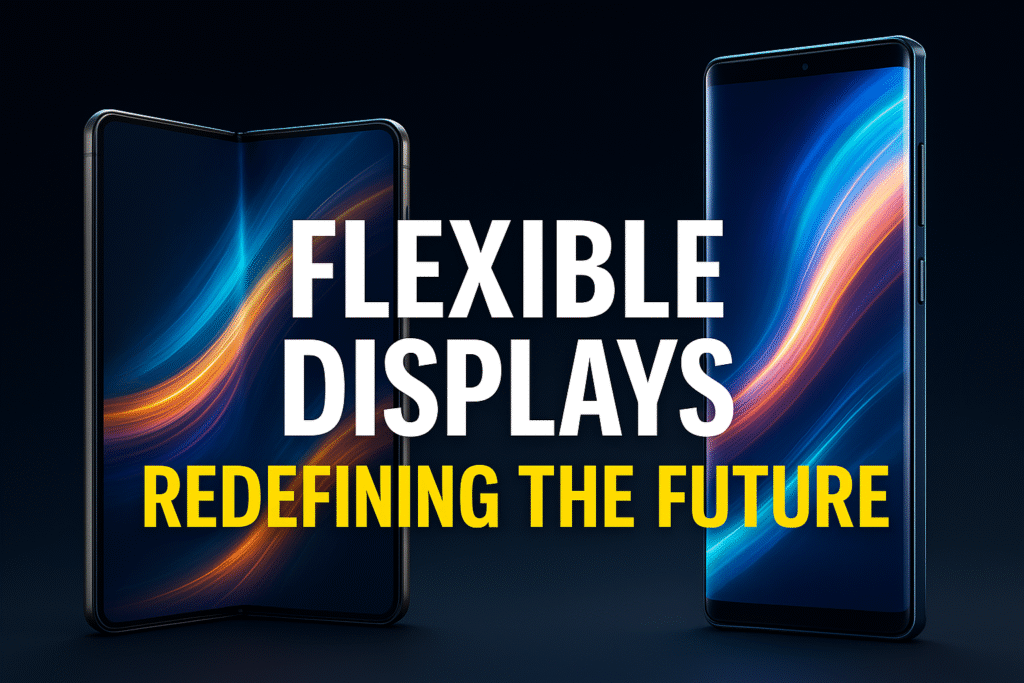
In 2025, the mobile industry is moving beyond flat screens. Foldable, rollable, and flexible displays are now redefining how we use, hold, and experience our devices. Once considered experimental, these technologies have matured — delivering improved durability, sleeker hinge mechanisms, and creative form factors that push design boundaries.
What was once futuristic is now becoming a new standard for premium and even mid-tier devices.
⚙️ Building Stronger, Smarter Devices
Hinge Systems Built to Last
The hinge — long the weak point of foldable designs — has evolved dramatically. Modern foldables now feature multi-axis hinge systems, sealed mechanisms, and tension-balanced designs that reduce mechanical stress and dust ingress.
Manufacturers are boasting fold-cycle lifespans exceeding 500,000 folds, showing real progress toward long-term reliability.
Read Also This: Apple’s iPhone 17 Triggers the Biggest Upgrade Boom in Years
Tougher Flexible Displays
The early days of foldables were plagued by fragile polymers and visible creases. That’s changing fast.
New materials like ultra-thin glass (UTG) and high-strength polyimide layers now combine flexibility with toughness. Improved coating technologies minimize creases and improve tactile smoothness, while better lamination methods enhance visual clarity and reduce reflection.
Rollable & Stretchable Panels
Rollable devices represent the next leap — eliminating hinges altogether. Screens roll out seamlessly using compact motors or tension-based tracks, expanding the display when needed.
Unlike foldables, rollables don’t suffer from crease wear and offer continuous, uninterrupted viewing. These designs hint at a future where one device can shift from phone to tablet form at the tap of a button.
📱 Form Factors Driving the Future
Book-Style Foldables
These open like a notebook, offering tablet-size real estate inside a smartphone footprint. New designs focus on slimmer bodies, water resistance, and better thermal management, making them suitable for productivity and entertainment.
Clamshell Foldables
Compact, stylish, and nostalgic — clamshells (or “flip” phones) remain the most popular form factor for foldables. They’re ideal for one-handed use and easily fit into pockets while still delivering large-screen convenience.
Rollables & Expandables
Emerging rollable prototypes showcase adaptive screen sizes — from 6.5 inches up to 10 inches — with the screen rolling out from within the chassis. Stretchable and wrap-around panels are also in early testing for future wearable or curved devices.
⚠️ Challenges and Breakthroughs Ahead
Despite progress, foldables and rollables face technical and economic hurdles:
- Durability over time: Flexible components still degrade faster than rigid ones, especially under heat and humidity.
- Manufacturing costs: Advanced materials and assembly processes keep prices high.
- Software optimization: Apps and operating systems must adapt seamlessly to multiple aspect ratios.
- Weight & thickness: Balancing fold mechanisms with portability remains an engineering challenge.
Still, innovation continues rapidly — and with each generation, flexible devices are becoming sturdier, cheaper, and more practical.
🔮 What’s Next for 2026 and Beyond
- Cheaper foldables for the mass market: Component scaling will make entry-level foldables possible by 2027.
- Rollables in production: Several OEMs are set to launch commercial rollable smartphones and tablets within the next year.
- Wearable and automotive applications: Expect flexible screens on dashboards, clothing, and health devices.
- Longer-lasting materials: Hybrid glass composites could push foldable lifespan close to traditional phones.
- More seamless software: Adaptive UIs will soon make multi-form screens feel natural and intuitive.
✅ Conclusion
Foldable and rollable technology is no longer a tech showcase — it’s a design revolution. As hinges strengthen, materials toughen, and form factors diversify, the age of adaptive displays is here.
What was once fragile and niche is now sleek, reliable, and ready for mainstream use. The next time you open your phone, don’t be surprised if the screen bends with it — and still feels built to last.

Azeem Aosaf is a visionary entrepreneur, digital strategist, and educator with a mission to empower individuals through online earning and digital innovation. As the CEO of HelixNex LLC, he leads multiple ventures across e-commerce, education, and fintech—helping people turn their digital skills into sustainable income. Through his educational initiative RankTrak, Azeem has trained hundreds of students in SEO, YouTube Automation, Freelancing, and AI-powered marketing. His work bridges technology and opportunity—creating a platform where learning meets real-world success. When he’s not mentoring students or building digital products, Azeem shares insights on entrepreneurship, marketing trends, and financial freedom through his blogs and social platforms. His core belief: “Your Growth, Our Mission.”