A Step Closer to the Truly Bezel-Free Phone
For years, smartphone makers have chased the dream of a full, uninterrupted display. Bezels have disappeared, notches have shrunk, and punch-holes have become smaller—but none of those solutions offered total screen symmetry. Now, the next breakthrough has arrived: under-display front cameras.
This technology hides the selfie camera beneath the screen, offering a seamless viewing experience with no visible hardware on the front.
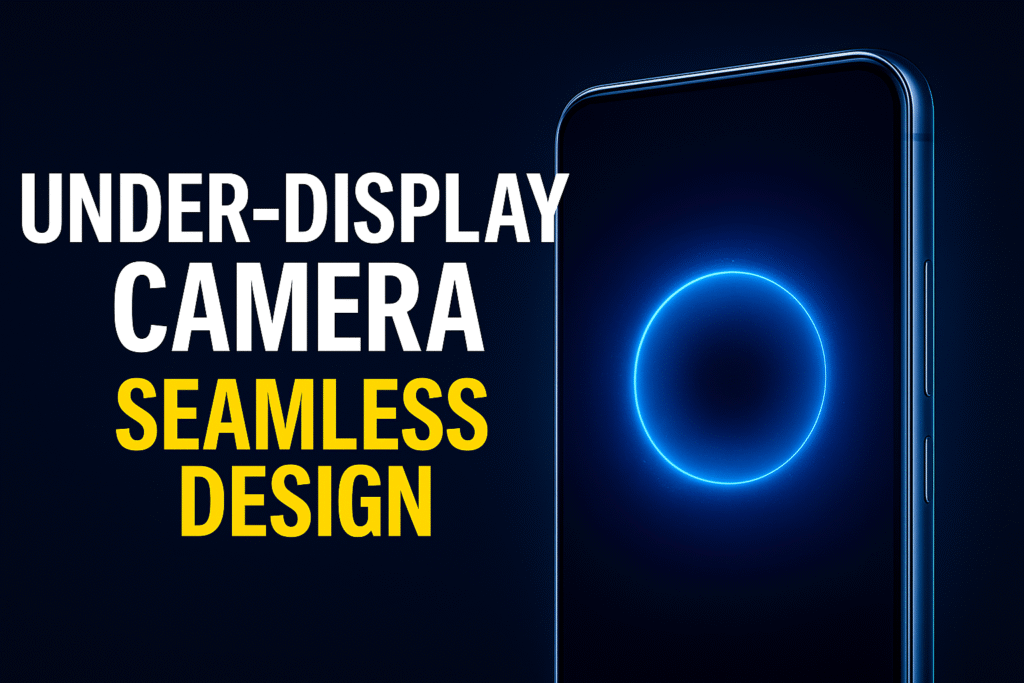
🔍 What Exactly Is an Under-Display Camera?
An under-display camera (UDC) is a front-facing lens that sits below the phone’s display instead of within a notch or punch-hole. When you open the camera app, the display area above the lens becomes semi-transparent to let light pass through. When the camera is off, the display operates normally—making the lens invisible.
It’s like having a camera that’s always there but never seen. This approach allows manufacturers to deliver a truly edge-to-edge design without sliders, pop-ups, or visible cutouts.
Read Also This: Apple’s iPhone 17 Triggers the Biggest Upgrade Boom in Years
⚙️ How the Technology Works
Creating an invisible camera isn’t simple. UDCs rely on multiple layers of innovation:
- Transparent OLED Region: A specially engineered section of the display lets light travel through when needed. The pixel structure is optimized to reduce obstruction.
- Advanced Optics: The camera sensor and lens are tuned to compensate for the distortion caused by the display glass above it.
- AI-Based Image Processing: Software algorithms clean up haze, color distortion, and blur created when light passes through the screen.
- Dynamic Pixel Control: When the selfie camera activates, pixels above it dim or switch off momentarily to allow more light into the lens.
Together, these adjustments enable a camera that hides when not in use but captures realistic images when called upon.
🌟 Advantages of Going Invisible
- Clean, uninterrupted design: The entire front panel remains a single continuous display—ideal for gaming, video, and immersive content.
- Improved durability: No mechanical sliders or pop-up cameras mean fewer moving parts and better water-resistance.
- More design freedom: Brands can experiment with new shapes, bezel-less folds, and uninterrupted foldable screens.
- User comfort: The camera isn’t staring back at you when you’re watching a video or reading, maintaining visual harmony.
⚠️ What Still Needs Work
Despite progress, under-display cameras aren’t perfect yet:
- Image clarity: Photos can appear softer or slightly hazy, especially in low-light conditions.
- Display inconsistency: Under bright light, the area above the camera might look slightly different from the rest of the screen.
- Cost: The custom OLED panels and algorithms increase manufacturing complexity.
- Limited adoption: Only a handful of flagship models currently use this setup, though more are expected in 2026.
Manufacturers are addressing these issues with better pixel transparency, machine-learning photo correction, and improved sensor design. Future versions promise DSLR-like clarity without compromising the display.
📱 Where You’ll See It Next
- Flagship Smartphones: High-end devices from brands like Samsung, Xiaomi, and Oppo are already testing or implementing refined UDC modules.
- Foldable Phones: Larger inner displays benefit most from the clean, notch-free design.
- Concept and AI-Powered Phones: Some prototypes even use adaptive transparency, adjusting pixel opacity dynamically for enhanced performance.
🔮 The Road Ahead
By 2027, under-display cameras are expected to become mainstream across top-tier smartphones. Paired with on-device AI imaging and advanced display coatings, users may soon capture studio-quality selfies through screens that appear flawless to the naked eye.
The industry’s goal is simple: remove all visible distractions. In a few years, we may look back at camera cutouts the same way we view old-school bezels—an era that’s finally behind us.
✅ Final Thoughts
Under-display cameras represent more than just a design upgrade—they redefine how we interact with our devices. By hiding technology beneath the surface, smartphone makers are pushing boundaries in both form and function.
The result? A future where the best tech is the one you don’t see at all.

Azeem Aosaf is a visionary entrepreneur, digital strategist, and educator with a mission to empower individuals through online earning and digital innovation. As the CEO of HelixNex LLC, he leads multiple ventures across e-commerce, education, and fintech—helping people turn their digital skills into sustainable income. Through his educational initiative RankTrak, Azeem has trained hundreds of students in SEO, YouTube Automation, Freelancing, and AI-powered marketing. His work bridges technology and opportunity—creating a platform where learning meets real-world success. When he’s not mentoring students or building digital products, Azeem shares insights on entrepreneurship, marketing trends, and financial freedom through his blogs and social platforms. His core belief: “Your Growth, Our Mission.”